
Net Billing in Pakistan 2026 — What It Means for Your Solar System in Islamabad & Rawalpindi
NEPRA’s Prosumer Regulations 2026 introduced the Net Billing framework for new solar applicants. Buyback rates and requirements can be revised by the regulator, so confirm current figures with our team before finalizing any solar investment.
Pioneer of Solar Panels Net Billing
In solar panel net billing(net metering) Ace Solar Energy is the pioneer and one of the best leading solar power companies in Islamabad and Rawalpindi with certification. Our skilled personnel have overseen and participated in finishing more than 3000 solar systems in the area, and we have already over 2000 plus net metering systems in Pakistan. Ace Solar Energy Net Billling Experts in Islamabad have very competent engineers and technicians to develop and implement superior solar power solutions for our clients.
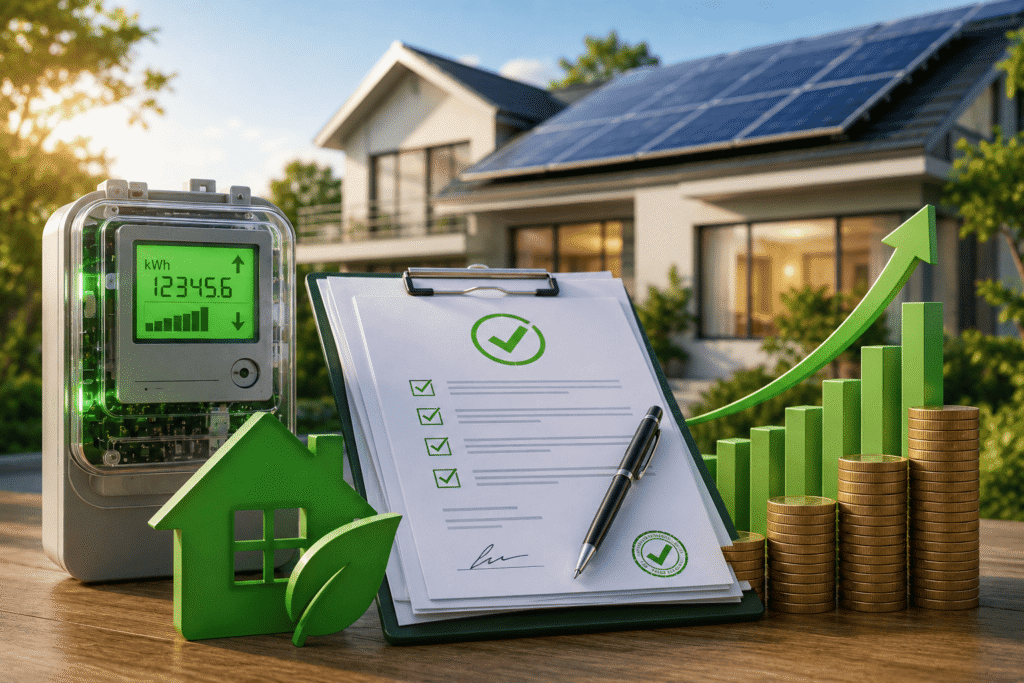
What is Net Billing?
For years, Net Metering was a huge advantage for solar consumers in Pakistan — exported electricity was credited at a rate close to what you paid for grid power, often reducing bills to near zero.
The newer Net Billing framework prices imported and exported electricity separately. Exported units are bought back at a national average purchase rate, well below the retail tariff you pay for imported electricity. As an example, an export rate might sit around Rs. 16/unit while the import tariff’s closer to Rs. 40/unit — figures like this change over time, so treat them as illustrative rather than current. The principle stays the same either way: electricity you use directly from your own panels is worth far more than electricity you send to the grid.
If you’re planning solar in Islamabad, Rawalpindi, or the surrounding areas — including DHA, Bahria Town, Naval Anchorage, and Gulberg — understanding this shift is essential before choosing a system size.
Net Metering vs. Net Billing (comparison table)
| Feature | Net Metering (Previous Framework) | Net Billing (Current Framework) |
|---|---|---|
| Exported Electricity | Credited near retail value | Bought back at a lower reference rate |
| System Design Focus | Maximize exports | Maximize self-consumption |
| Best Strategy | Larger, export-oriented systems | Right-sized or hybrid systems |
| Battery Value | Less important | More attractive for many users |
ACE Solar
The Biggest Change Under Net Billing
Key takeaway: In 2026, the biggest financial benefit of solar comes from using the power you generate yourself— not from exporting large amounts to the grid.
For homeowners and businesses in the region, this means:
- Daytime consumption habits now matter a lot more.
- Oversized, export-focused systems are generally less attractive than they were under the old framework.
- Hybrid systems with battery storage often deliver better long-term value.

Sizing Your Solar System Under Net Billing
The best solar system in 2026 usually isn’t simply the largest one your roof can hold. A good design should account for:
- Your monthly electricity bill
- Your daytime electricity usage pattern
- Whether you experience frequent load-shedding
- Whether battery backup matters to you
- Your future expansion plans
At Ace Solar Energy, we size systems around your actual consumption data — whether that’s a 5-marla home in Gulberg, a 1-kanal villa in Bahria Town, or a farmhouse near Naval Anchorage — not generic assumptions.
Why Hybrid Solar Systems Are Getting More Popular
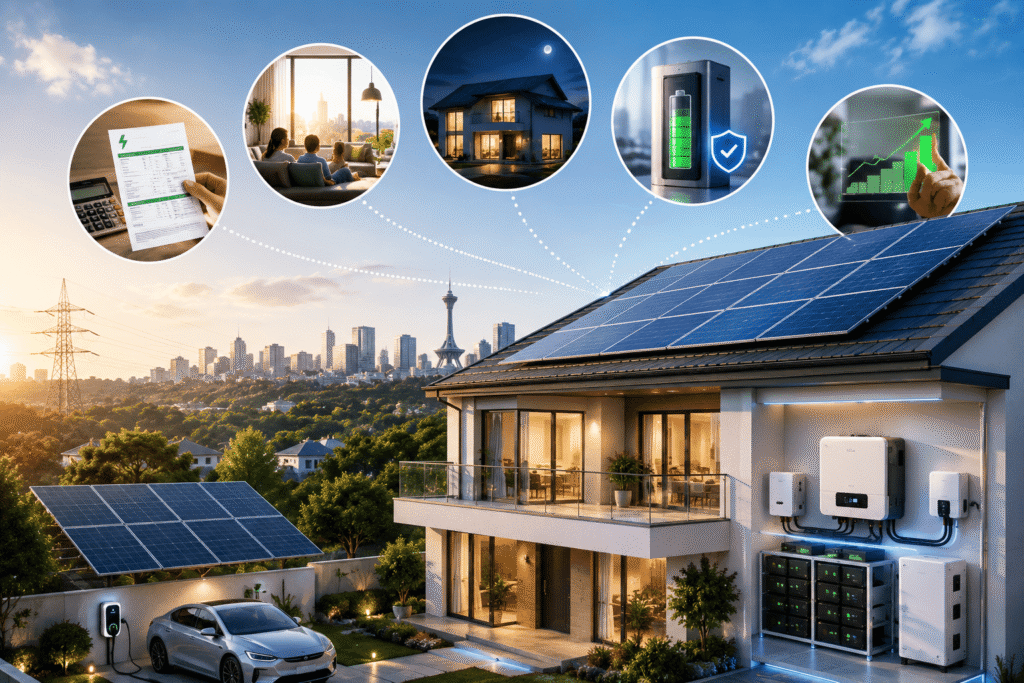
A hybrid system combines solar panels, an inverter, and battery storage. Instead of exporting all surplus energy to the grid at the lower buyback rate, it stores that energy for evening use.
For customers across Islamabad, Rawalpindi, and nearby communities, this can mean:
- Lower dependence on the grid
- Better use of the solar energy you already generate
- Backup power during outages
- Improved long-term savings potential

Talk to Our Solar Experts
Get a Free Solar Savings Assessment
- Review your electricity bills
- Recommend the right system size
- Compare on-grid and hybrid options
- Estimate realistic savings under the current Net Billing framework
- Guide you through the latest IESCO application requirements
Frequently Asked Questions
Contact a reliable AEDB-certified solar solutions provider for guidance on installation, application, and compliance with NEPRA standards. They will help you with the technical and paperwork processes to get your system up and running.
Yes! With rising electricity prices and favourable policies from NEPRA, solar net metering offers long-term savings, environmental benefits, and energy independence for households and businesses
A bi-directional meter keeps separate records of the amount of electricity used by the user from the electricity supplier( Imports) and provided by him to the company (Export). A bi-directional meter is essential for net metering to calculate your energy credits.
Residential, commercial, industrial, and agricultural users with 3-phase meters are qualified for net metering. However, solar power systems must be installed by AEDB-certified installers who are also responsible for processing net metering with the Electricity distribution company. The system should be compliant with NEPRA’s standards.